

Discover how Calcium Iron (CaFe) cored wire improves your steel quality by optimizing inclusion morphology and preventing nozzle clogging during continuous casting.
1. The Critical Role of Inclusion Control
In the pursuit of high-grade steel, managing non-metallic inclusions is a top priority for metallurgists. Untreated alumina inclusions can lead to severe nozzle clogging during continuous casting and cause surface defects or internal cracks in the final steel products.
2. How Calcium Iron (CaFe) Cored Wire Works
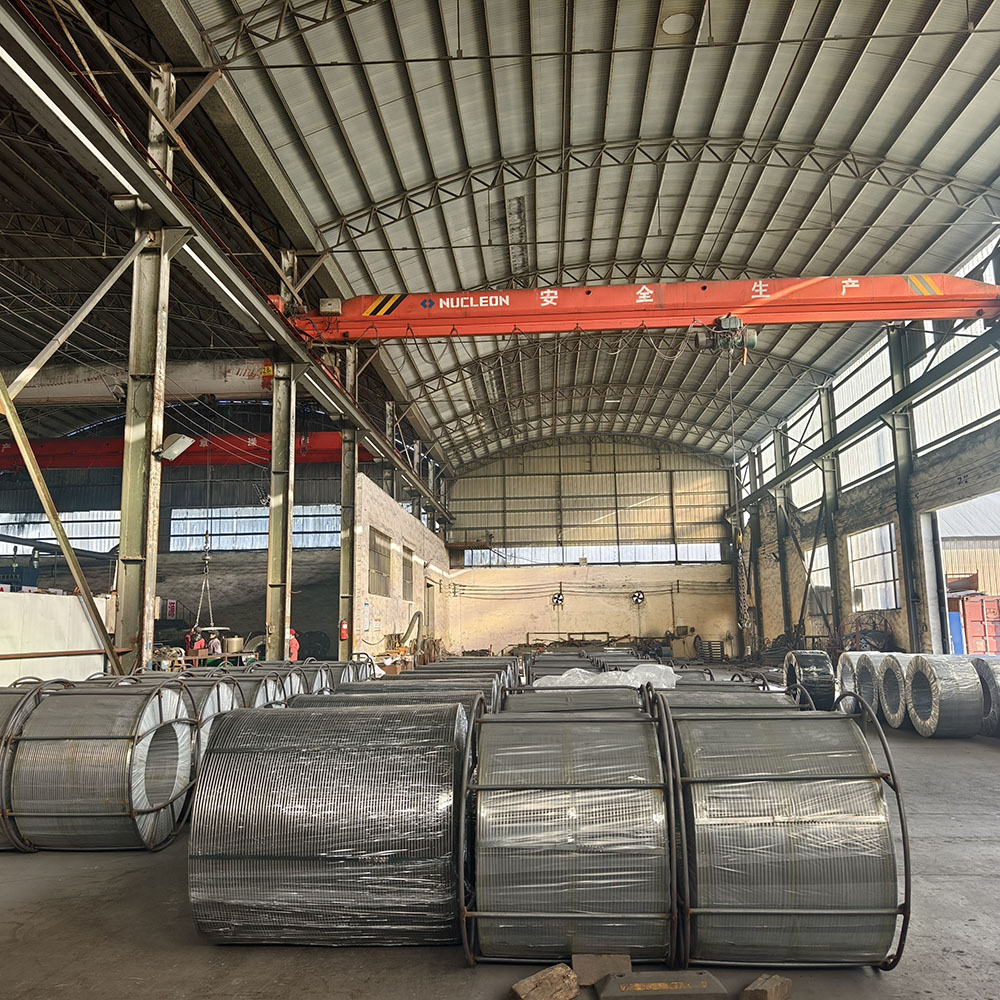
Calcium Iron (CaFe) Cored Wire is the most efficient delivery system for "Calcium Treatment." When injected into the ladle, the calcium reacts with solid alumina inclusions to transform them into liquid calcium aluminates. These modified inclusions:
Are easier to float and remove from the molten steel.
Remain in a liquid state at steelmaking temperatures, preventing solid buildup in the submerged entry nozzle (SEN).
3. Key Advantages for Your Production
By integrating our CaFe Cored Wire into your process, you achieve:
Smooth Casting Operations: Eliminates unplanned downtime caused by nozzle blockages.
Enhanced Mechanical Properties: Better inclusion morphology leads to superior toughness, ductility, and fatigue resistance.
High Recovery Rates: Our precision-filled wire ensures the calcium is released deep in the melt, minimizing oxidation loss and maximizing cost-efficiency.
Versatility: Ideal for a wide range of steel grades, including Al-killed steel and low-carbon steel.
4. Technical Specifications
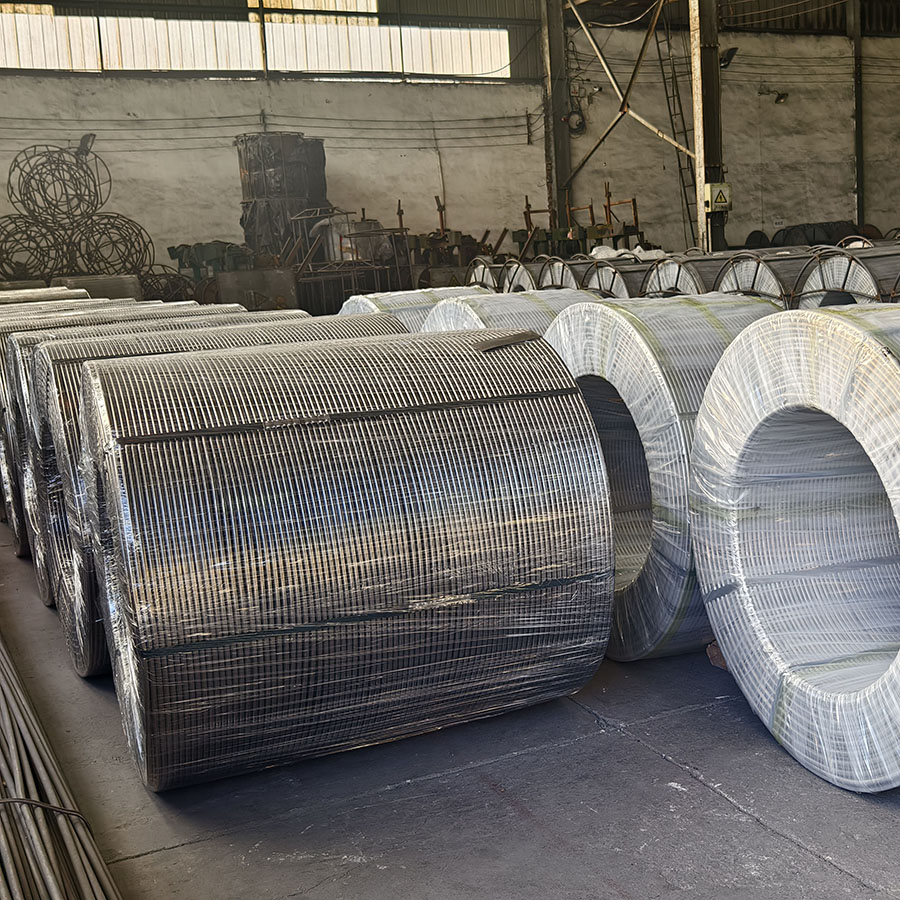
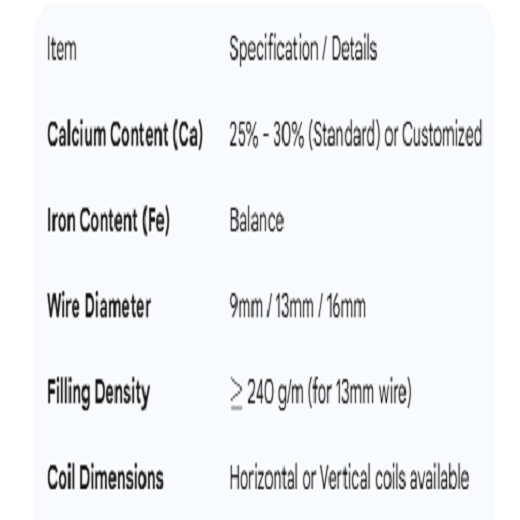
As a specialized manufacturer, we provide cored wires that meet the following technical benchmarks:
5. Conclusion
For steel mills aiming to enhance castability and product purity, Calcium Iron (CaFe) Cored Wire is an indispensable consumable. It is the bridge between standard production and high-performance metallurgy.