

Looking for high-efficiency steel deoxidation? Discover how Ferro Titanium (FeTi) Cored Wire improves titanium recovery rates, ensures chemical precision, and reduces costs in specialty steel production.
1. The Challenge of Titanium Addition in Modern Steelmaking
In the production of stainless steel, automotive steel, and low-alloy high-strength steel, Titanium (Ti) is a critical alloying element. However, traditional bulk addition methods often face significant challenges:
Low and Unstable Recovery: Titanium is highly reactive with oxygen and nitrogen.
Inaccurate Composition: Large lumps of ferroalloys cause fluctuations in the final chemical analysis.
Higher Production Costs: Material waste due to oxidation.
2. What is FeTi Cored Wire and Why Use It?
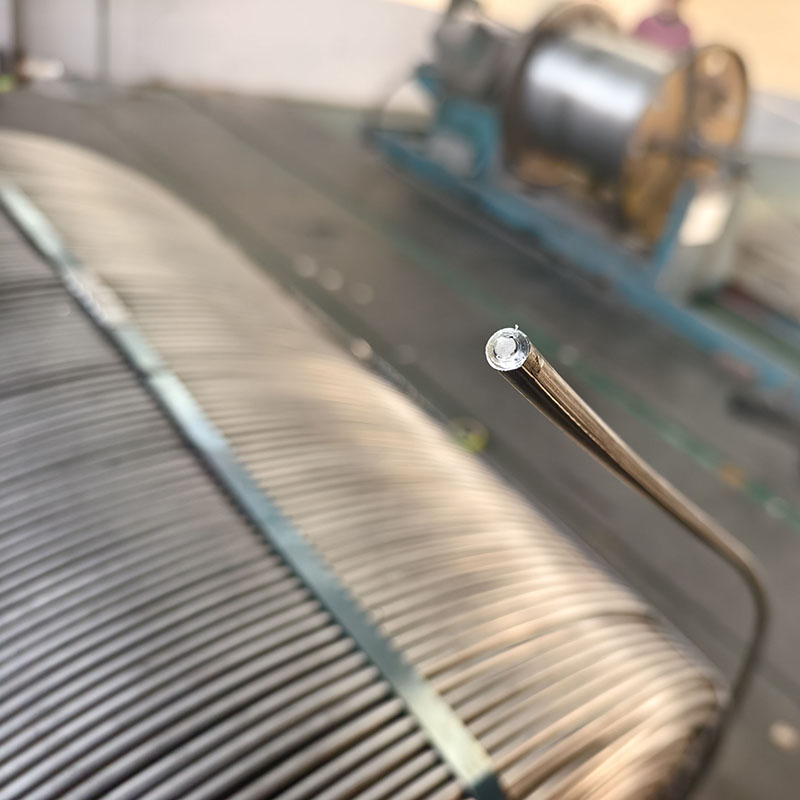
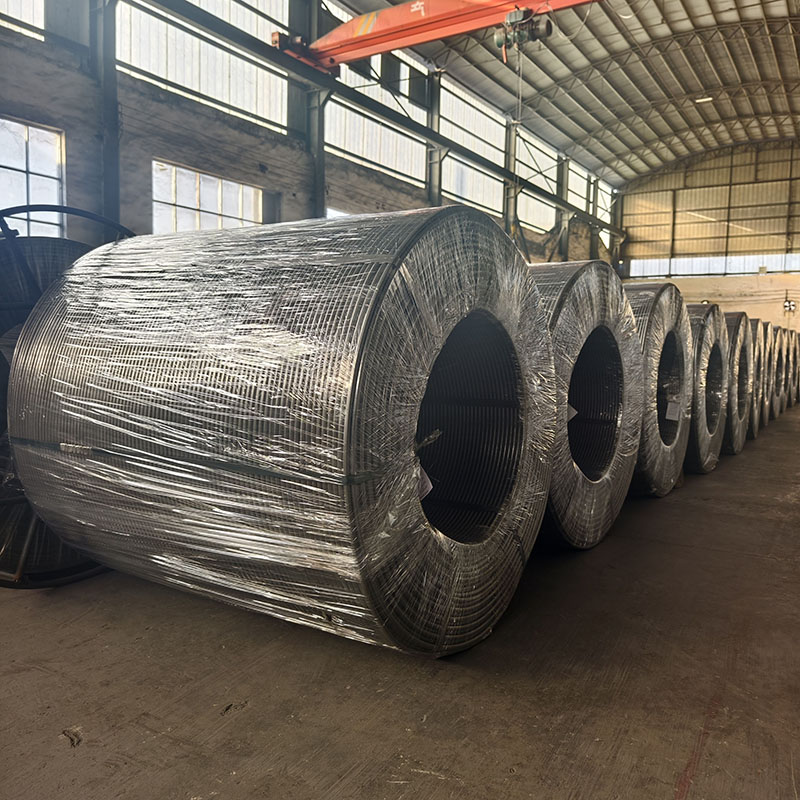
Ferro Titanium (FeTi) Cored Wire is a specialized metallurgical consumable consisting of a steel tube filled with crushed ferro titanium powder. Unlike bulk additions, the cored wire is injected deep into the molten steel ladle using a wire-feeding machine.
3. Key Benefits for Steel Mills and Foundries
By switching to FeTi Cored Wire, manufacturers can achieve several strategic advantages:
Higher Titanium Recovery: By releasing the titanium at the bottom of the ladle, it minimizes contact with air and slag, significantly increasing the recovery rate compared to bulk alloys.
Precision Alloying: It allows for "fine-tuning" of the chemical composition, ensuring the final product meets strict international standards.
Reduced Inclusion Content: The controlled release helps in better deoxidation and denitrification, resulting in "cleaner" steel with fewer impurities.
Improved Efficiency: The wire-feeding process is fully automated, reducing labor intensity and shortening the refining cycle.
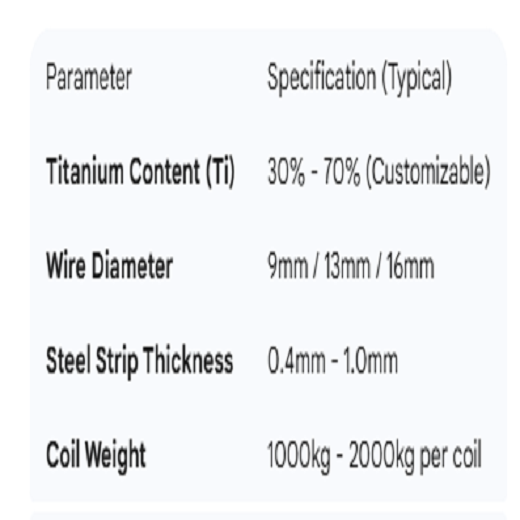
4. Technical Specifications (Sample)
As a leading FeTi cored wire manufacturer, our products are designed to meet the following industry benchmarks:
5. Conclusion
For modern steel plants focused on high-quality output and cost-efficiency, Ferro Titanium Cored Wire is no longer an option—it is a necessity. It provides the precision required for high-performance steel grades while optimizing the overall metallurgical process.