

Precision Carbon Adjustment in Steelmaking: Why Choose Carbon Cored Wire?
In the final stages of steelmaking, controlling carbon content within an extremely narrow tolerance range is critical to determining the mechanical properties of the finished product. While bulk recarburizers are common, steel mills aiming for high precision and consistency are increasingly adopting Carbon Cored Wire as the industry standard.
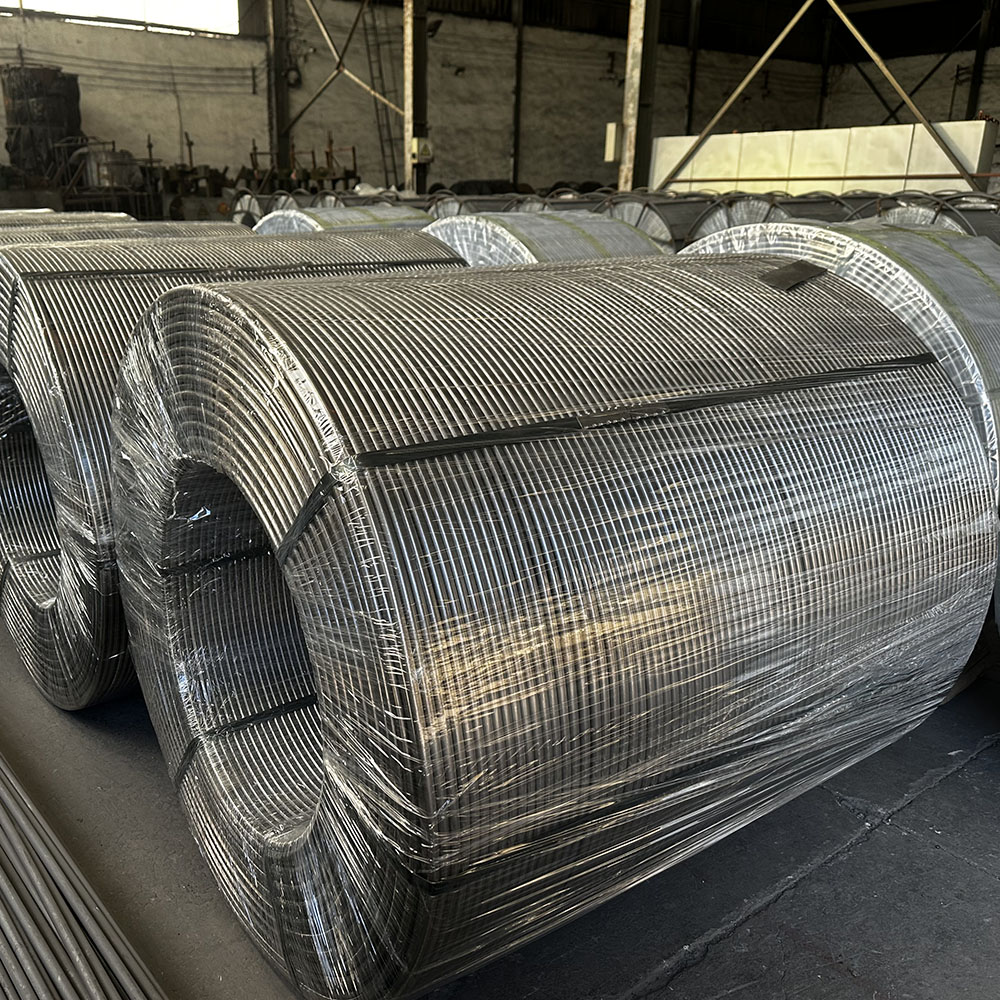
This article explores how carbon cored wire solves the pain points of traditional recarburization and optimizes your production workflow.
1. What is Carbon Cored Wire?
Carbon Cored Wire is manufactured by crushing high-quality carbonaceous materials—such as Synthetic Graphite, Petroleum Coke, or Calcined Anthracite—into specific grain sizes and encasing them in a low-carbon steel strip.
Unlike Calcium Silicon wire, which is primarily used to "cleanse" steel, Carbon Cored Wire is designed for "adjustment." It acts like a high-precision "carbon injector," delivering carbon elements directly into the depths of the molten steel.
2. Breaking Tradition: 3 Core Advantages of Carbon Wire Injection
A. Superior Carbon Recovery Rates
Traditional bulk recarburizers are lightweight and often float on the slag surface, where they are lost to oxidation and burning.
The Solution: By using a high-speed wire feeder, the Carbon Cored Wire pierces through the slag layer and releases the carbon at the center of the melt. This ensures a stable recovery rate of 90% to 95%, significantly higher than bulk additions.
B. Narrow Composition Fluctuations
For specialty steels like bearing steel or spring steel, a tiny deviation in carbon can lead to an entire heat being downgraded or scrapped. Cored wire feeding allows for "gram-level" precision, as the carbon addition is calculated by the exact length of the wire fed (e.g., 1 meter of wire = X grams of carbon).
C. Low Nitrogen (N) and Hydrogen (H) Control
High-quality carbon cored wires typically use High-Purity Synthetic Graphite. Compared to standard recarburizers, it contains much lower levels of nitrogen and hydrogen, making it ideal for producing "ultra-clean" steel grades with strict gas content requirements.
3. Technical Specifications & Core Materials
The performance of the wire depends largely on the quality of the carbon source inside:
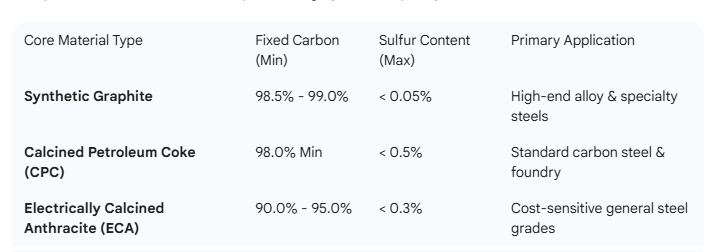
Standard Diameter: 13mm (Most common)
Steel Strip Thickness: 0.4mm - 0.5mm
4. Economic Analysis: Is it Really More Expensive?
While the unit price of cored wire may be higher than bulk additives, the total operational cost is often lower:
Reduced Scrap Rates: Avoids heat rejection due to carbon being outside of the target range.
Shorter Processing Time: Rapid absorption reduces the residence time required at the Ladle Furnace (LF) station.
Lower Raw Material Waste: Higher recovery means you use less actual material to achieve the same carbon lift.
5. When Should You Switch to Carbon Cored Wire?
Consider switching to Carbon Cored Wire if you encounter the following:
Thick slag layers that prevent bulk recarburizers from reaching the steel.
Poor stability in the carbon content of your finished products.
The need for final "trimming" of carbon levels just before continuous casting.
Conclusion
Carbon Cored Wire is more than just a carbon carrier; it is an essential tool for digital and precision steelmaking. By selecting the right core purity and feeding speed, steel mills can significantly enhance process stability and optimize final costs.
Ready to enhance your carbon precision? We offer a variety of Carbon Cored Wire specifications (Graphite-based or CPC-based) with global shipping and customized packaging to ensure your production is flawless.
Contact our experts today for a personalized recarburization solution and quote!