

Explore the advantages of Seamed Calcium Cored Wire in steelmaking. Learn about its specifications, benefits in deoxidation, and how it compares to seamless options for cost-effective refining.
Maximizing Steelmaking Efficiency: A Guide to Seamed Calcium Cored Wire
In modern secondary metallurgy, balancing high-quality standards with strict cost management is a constant challenge. Seamed Calcium Cored Wire has emerged as a highly reliable and cost-effective solution for many steel plants worldwide.
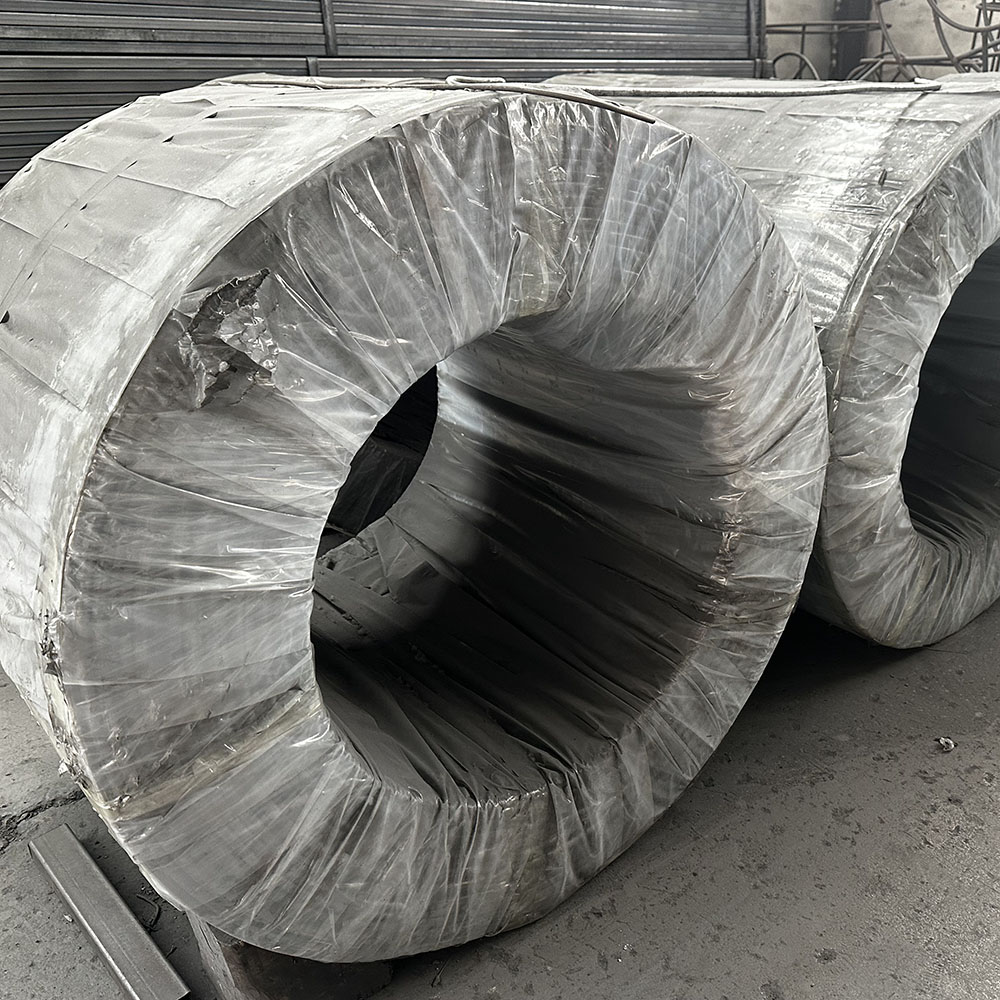
As a staple in calcium treatment technology, seamed cored wire remains indispensable for improving steel cleanliness and castability.
1. What is Seamed Calcium Cored Wire?
Seamed Calcium Cored Wire is produced by encasing high-purity metallic calcium granules (or powder) within a cold-rolled low-carbon steel strip. The "seamed" designation refers to the mechanical "interlock" or "bite" joint that runs longitudinally along the wire.
Structure: Mechanical interlocking seam.
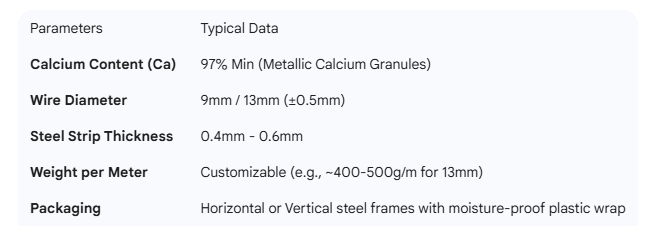
Core Material: Typically high-purity Metallic Calcium (Ca > 97%).
Standard Diameters: 9mm and 13mm are the industry standards.
2. Key Advantages of Seamed Cored Wire
While seamless options exist, seamed calcium cored wire remains the preferred choice for many large-scale steel mills for several reasons:
Significant Cost Efficiency: Due to a mature production process and lower manufacturing overhead, seamed wire offers a more budget-friendly price point for high-volume production.
Reliable Calcium Release: The precisely calculated steel sheath thickness ensures the wire penetrates deep into the molten steel before melting, maximizing the Calcium Recovery Rate.
Mechanical Integrity: High-quality interlocking technology ensures the wire does not split or leak powder under the high-pressure grip of modern high-speed wire feeders.
3. Technical Specifications
When sourcing, ensure the parameters align with your wire-feeding equipment:
4. Core Applications in Steelmaking
Seamed Calcium Cored Wire is widely utilized in the following processes:
Deoxidation & Desulfurization: Acting as a powerful deoxidizer, calcium effectively reduces residual oxygen levels in the melt.
Inclusion Modification: It transforms solid alumina inclusions into liquid calcium aluminates, effectively preventing nozzle clogging during continuous casting.
General Steel Grades: It is the go-to solution for carbon structural steel and low-alloy steel where extreme hydrogen sensitivity is not the primary concern.
5. Seamed vs. Seamless: Which Should You Choose?
This is a common question for procurement managers:
Seamed Wire: Best for cost-sensitive operations and standard steel grades. It provides excellent performance for most industrial applications.
Seamless Wire: Features a completely airtight steel tube. It is better suited for ultra-low hydrogen, ultra-pure specialty steels where any risk of moisture ingress must be eliminated.
6. Storage and Handling Recommendations
Calcium is a highly reactive metal. To maintain product performance:
Moisture Control: Store in a dry, well-ventilated warehouse.
Protective Packaging: Do not remove the outer plastic protective film until the moment of use.
First-In, First-Out (FIFO): We recommend using the product within 3–6 months of production for optimal chemical reactivity.
Conclusion
Seamed Calcium Cored Wire is a vital tool for achieving economical steelmaking. By choosing the right specifications and a reputable supplier, steel mills can significantly reduce production costs without compromising the quality of the final product.
Looking for a Reliable Seamed Calcium Cored Wire Supplier? With years of export experience, our factory produces cored wires with tight interlocking seams, high calcium purity, and smooth feeding performance.
[Contact our engineers today for the latest quote or technical support!]