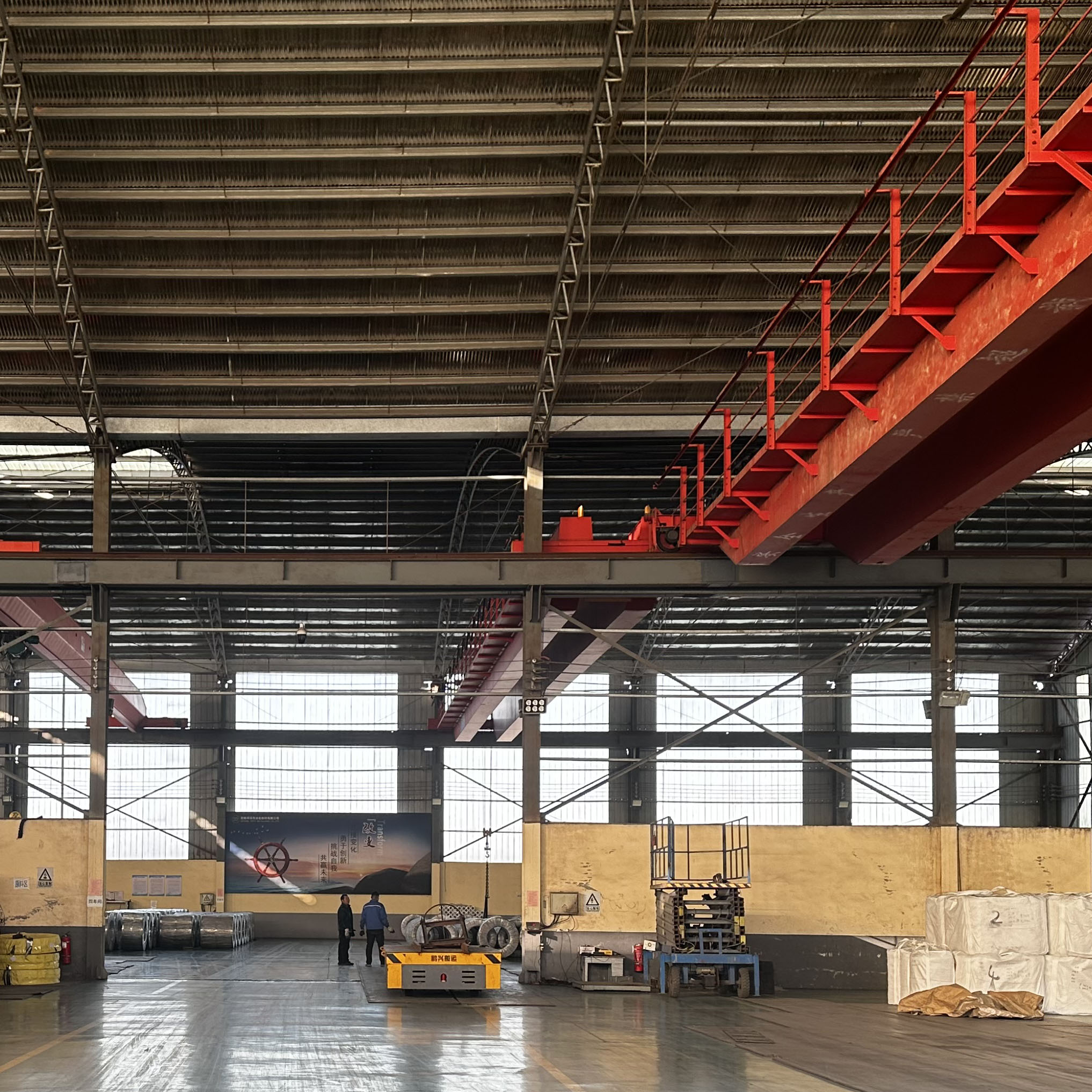
On the fast-paced stage of modern steel production, the efficiency of the steel refining process directly determines the quality and production cost of the final product. In recent years, the widespread application of metallurgical core wire technology has become an accelerator for improving the efficiency of steel refining due to its excellent performance.
Metallurgical core wire is a linear material that tightly wraps metal or alloy powder in steel or aluminum strips. In the steelmaking process, it is precisely and quickly fed into the deep part of the molten steel through a dedicated wire feeder. Compared with the traditional method of directly adding block or powder additives, this technology achieves more complete and uniform contact and reaction between deoxidizers, desulfurizers, and molten steel.
Especially in the desulfurization process, new technologies represented by magnesium based core wire have demonstrated significant advantages. It can quickly reduce the sulfur content in molten steel to extremely low levels, while significantly reducing the consumption of desulfurizers. This efficient and precise addition method not only significantly shortens the refining reaction time, avoids severe fluctuations in steel composition, but also reduces the burden of subsequent processing procedures, optimizes the production process as a whole, and brings tangible efficiency improvements to steel mills.
Metallurgical core wire is a linear material that tightly wraps metal or alloy powder in steel or aluminum strips. In the steelmaking process, it is precisely and quickly fed into the deep part of the molten steel through a dedicated wire feeder. Compared with the traditional method of directly adding block or powder additives, this technology achieves more complete and uniform contact and reaction between deoxidizers, desulfurizers, and molten steel.
Especially in the desulfurization process, new technologies represented by magnesium based core wire have demonstrated significant advantages. It can quickly reduce the sulfur content in molten steel to extremely low levels, while significantly reducing the consumption of desulfurizers. This efficient and precise addition method not only significantly shortens the refining reaction time, avoids severe fluctuations in steel composition, but also reduces the burden of subsequent processing procedures, optimizes the production process as a whole, and brings tangible efficiency improvements to steel mills.