

In the steel smelting process, pure calcium wire serves as an efficient deoxidizer, and its effectiveness depends not only on the material itself, but also closely related to precise control in the production process. Recently, industry experts pointed out that the amount and method of calcium addition, as well as the temperature of the molten steel, are the three key factors affecting its deoxidation effect.
Precise Feeding: The Art of Balancing Calcium Addition
The amount of calcium added is the core factor affecting the deoxygenation effect. Insufficient dosage, unable to completely remove oxygen from the molten steel; Excessive usage may lead to calcium residue, which in turn affects the final performance of the steel. Experts emphasize that accurately calculating the amount of calcium added based on the steel grade and target oxygen content is the first step towards achieving efficient deoxidation.
Depth and speed: precise control of feeding process
Pure calcium wire is usually fed into molten steel through a wire feeder, and its feeding speed and insertion depth directly affect the distribution and reaction efficiency of calcium. A scientifically designed feeding process can significantly improve the yield of calcium, ensuring its full reaction in the molten steel and maximizing the deoxidation effect.
Temperature Window: Fine Control of Thermal Balance
The temperature of the molten steel is equally crucial. Appropriate high temperature can accelerate deoxygenation reaction, but excessive temperature can cause a large amount of calcium volatilization, which in turn reduces its utilization rate. Therefore, stabilizing the temperature of the molten steel within a reasonable range is an important condition for ensuring efficient and stable deoxidation reactions.
Industry analysis points out that the synergistic optimization of these three factors reflects the technological progress of modern steel production from "experience control" to "precision metallurgy". Only by implementing refined management throughout the entire process can pure calcium wire, as an efficient purification agent, exert its best performance and lay a solid foundation for producing high-quality steel.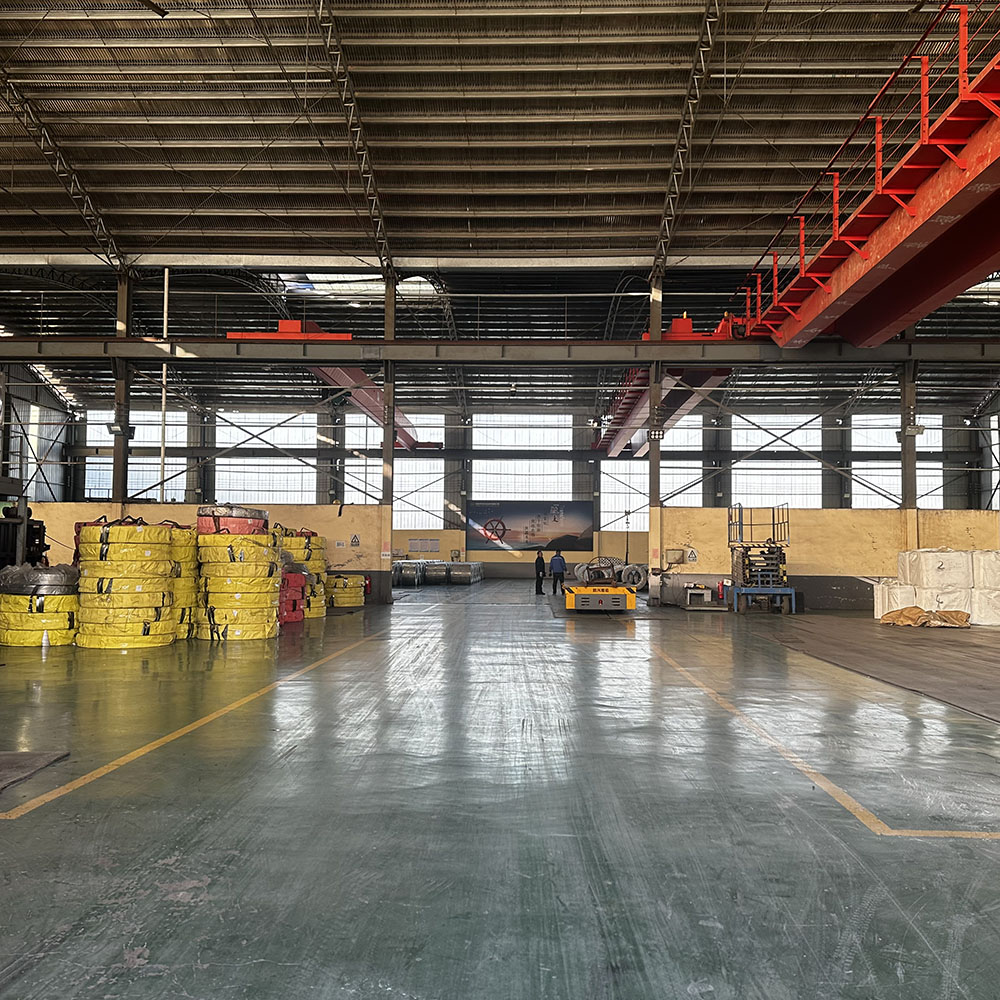
Precise Feeding: The Art of Balancing Calcium Addition
The amount of calcium added is the core factor affecting the deoxygenation effect. Insufficient dosage, unable to completely remove oxygen from the molten steel; Excessive usage may lead to calcium residue, which in turn affects the final performance of the steel. Experts emphasize that accurately calculating the amount of calcium added based on the steel grade and target oxygen content is the first step towards achieving efficient deoxidation.
Depth and speed: precise control of feeding process
Pure calcium wire is usually fed into molten steel through a wire feeder, and its feeding speed and insertion depth directly affect the distribution and reaction efficiency of calcium. A scientifically designed feeding process can significantly improve the yield of calcium, ensuring its full reaction in the molten steel and maximizing the deoxidation effect.
Temperature Window: Fine Control of Thermal Balance
The temperature of the molten steel is equally crucial. Appropriate high temperature can accelerate deoxygenation reaction, but excessive temperature can cause a large amount of calcium volatilization, which in turn reduces its utilization rate. Therefore, stabilizing the temperature of the molten steel within a reasonable range is an important condition for ensuring efficient and stable deoxidation reactions.
Industry analysis points out that the synergistic optimization of these three factors reflects the technological progress of modern steel production from "experience control" to "precision metallurgy". Only by implementing refined management throughout the entire process can pure calcium wire, as an efficient purification agent, exert its best performance and lay a solid foundation for producing high-quality steel.